
Synopsis
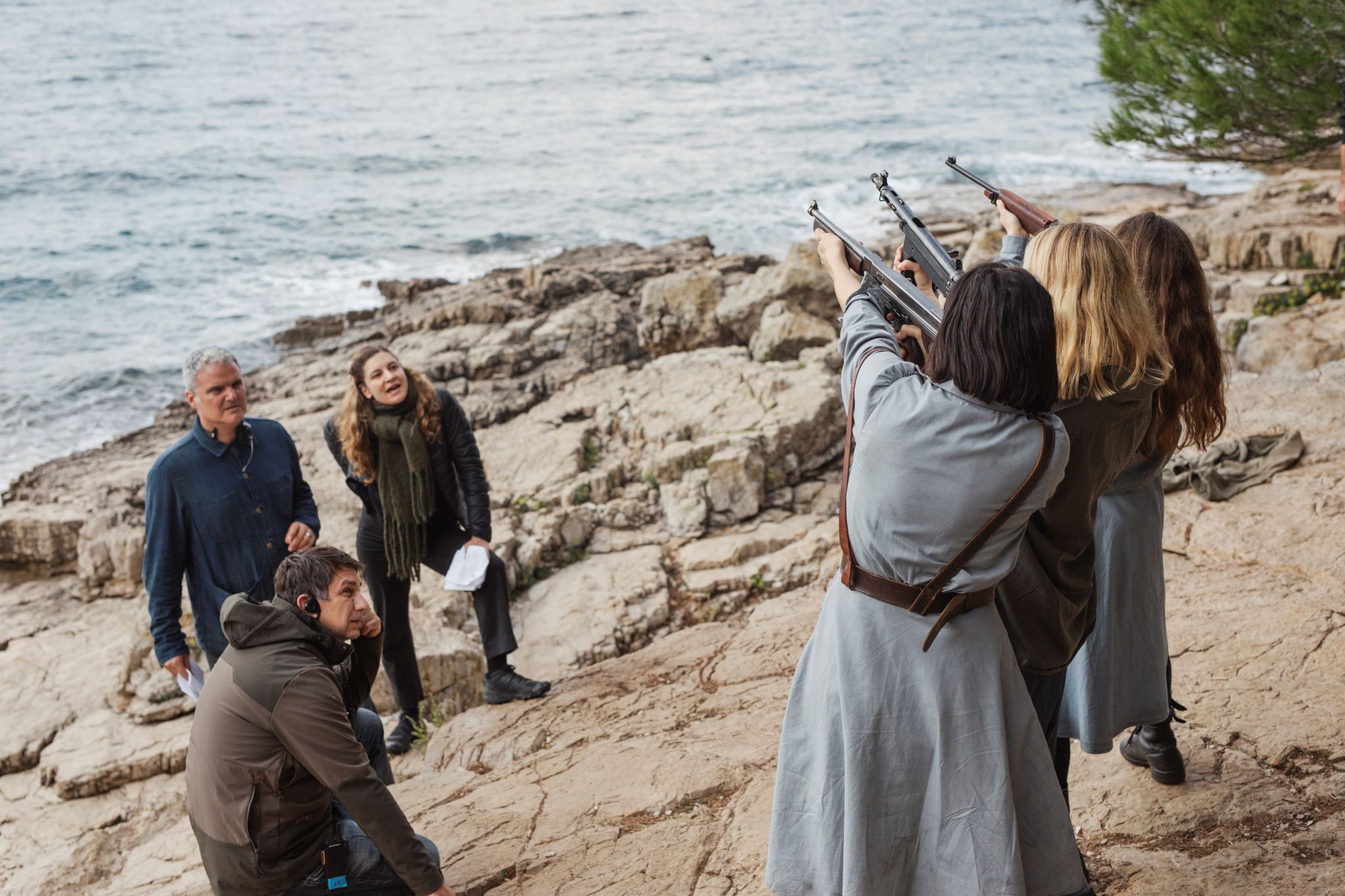
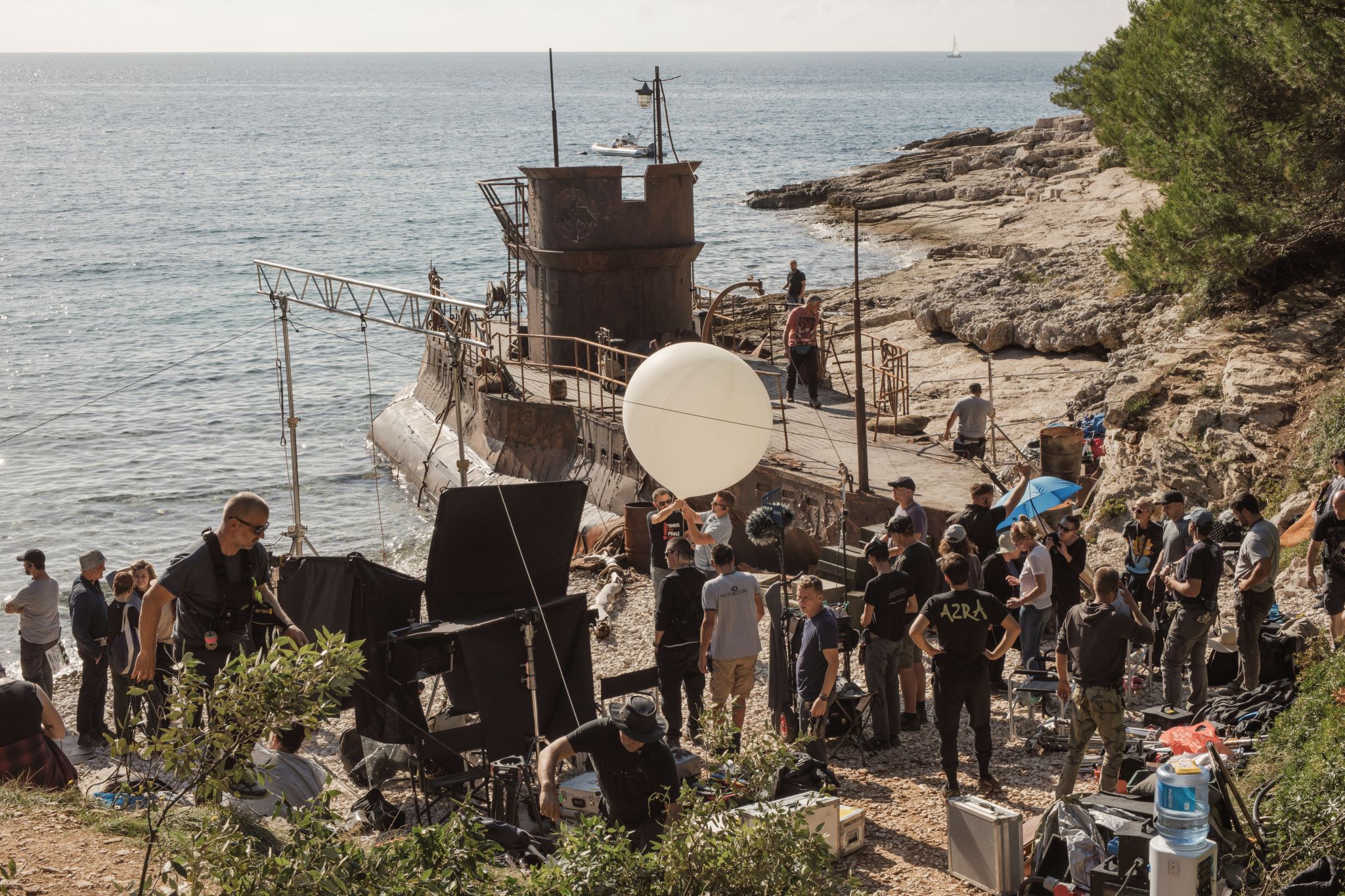
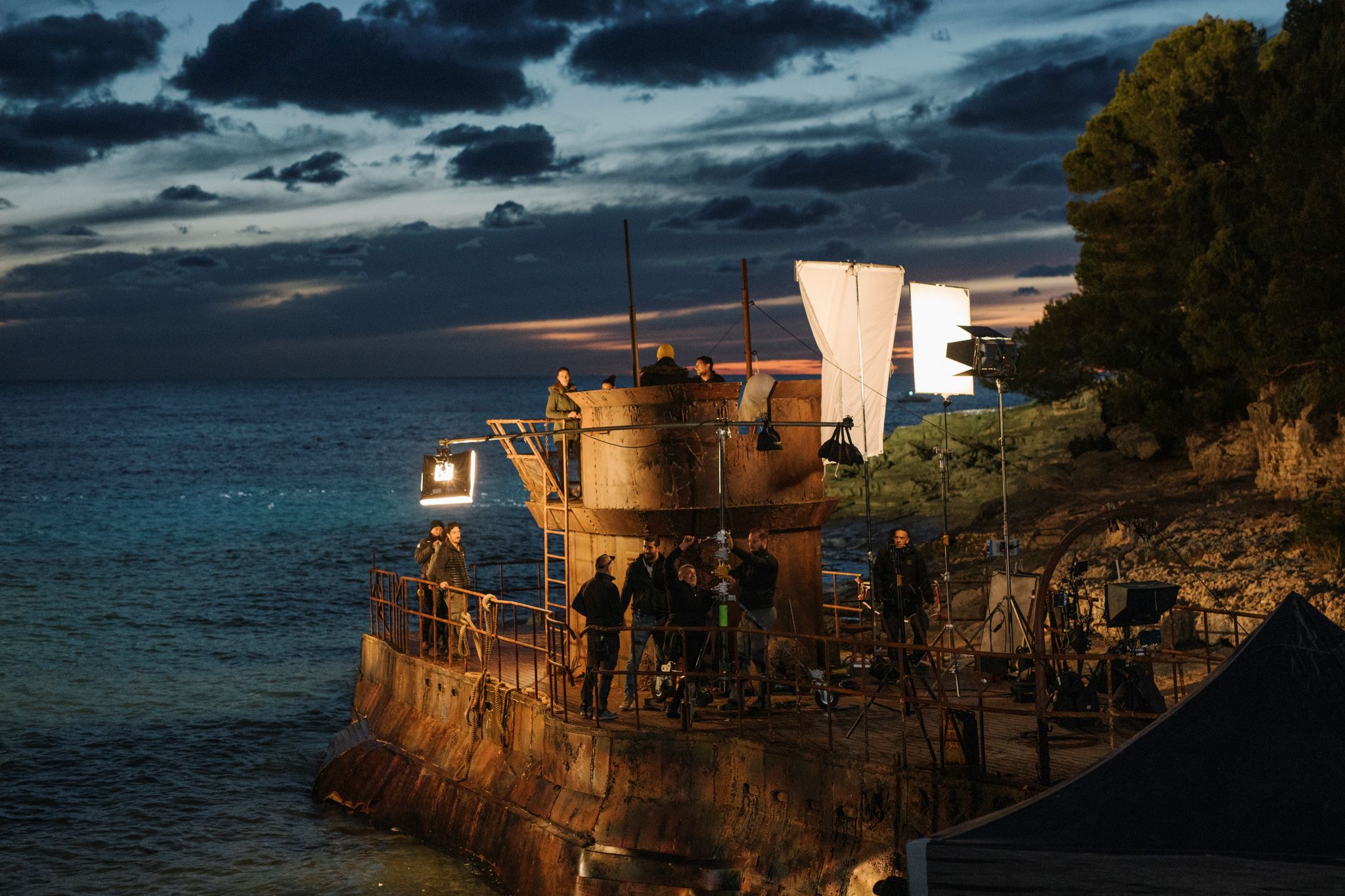
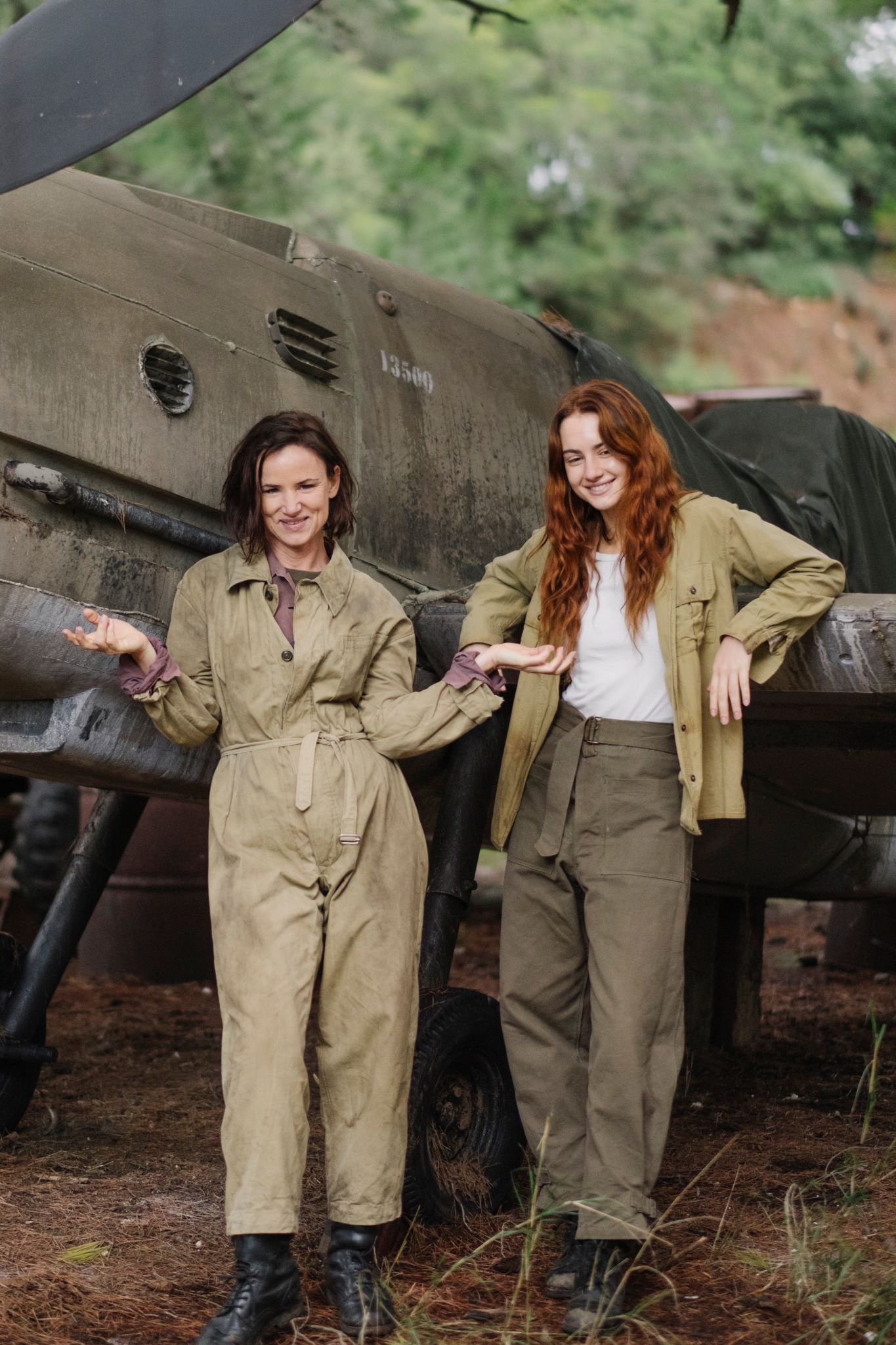
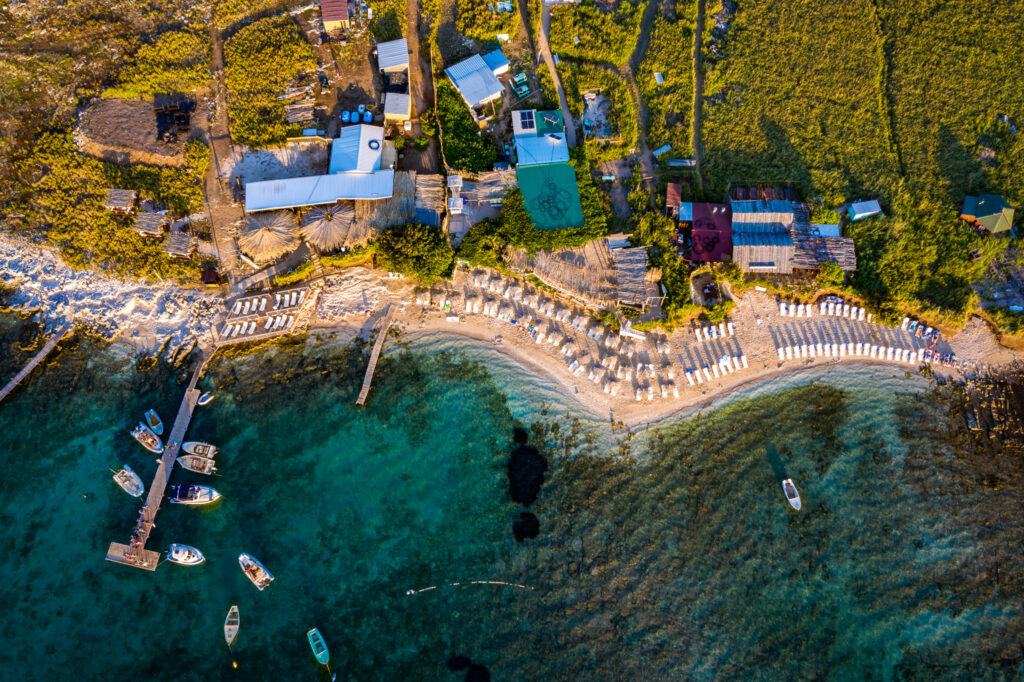
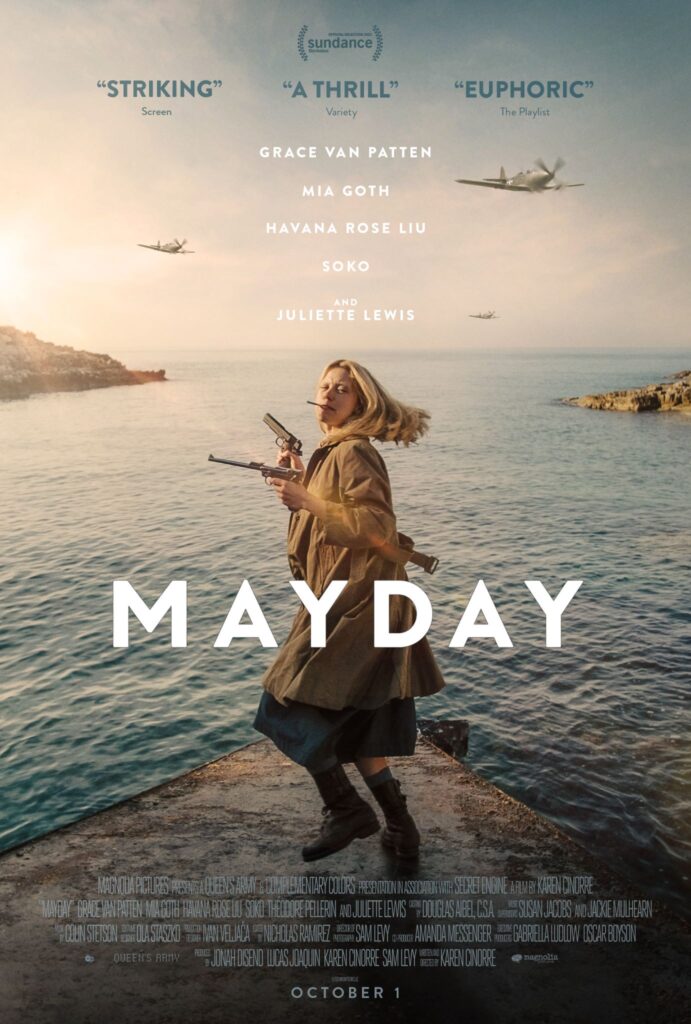
“Mayday”, a film debut by Karen Cinorre, was filmed in Istria and Kvarner, including Golubove stijene beach, where a replica of the Austro-Hungarian submarine was made. The story follows Ana, brought by a storm to an alternative world led by a group of female soldiers. At first, she finds freedom in the sisterhood, but soon realizes that she isn’t ready to become what they expect from her - a cold-blooded warrior. The film was inspired by mythological elements and feminist themes.
details
Original title: Mayday
Year: 2021
Country of production: USA
Production: Secret Engine
Genre: action drama, fantasy, mystery
Directed by: Karen Cinorre
Starring: Grace Van Patten, Juliette Lewis, Mia Goth, Theodore Pellerin, Soko, Havana Rose Liu, Zlatko Burić
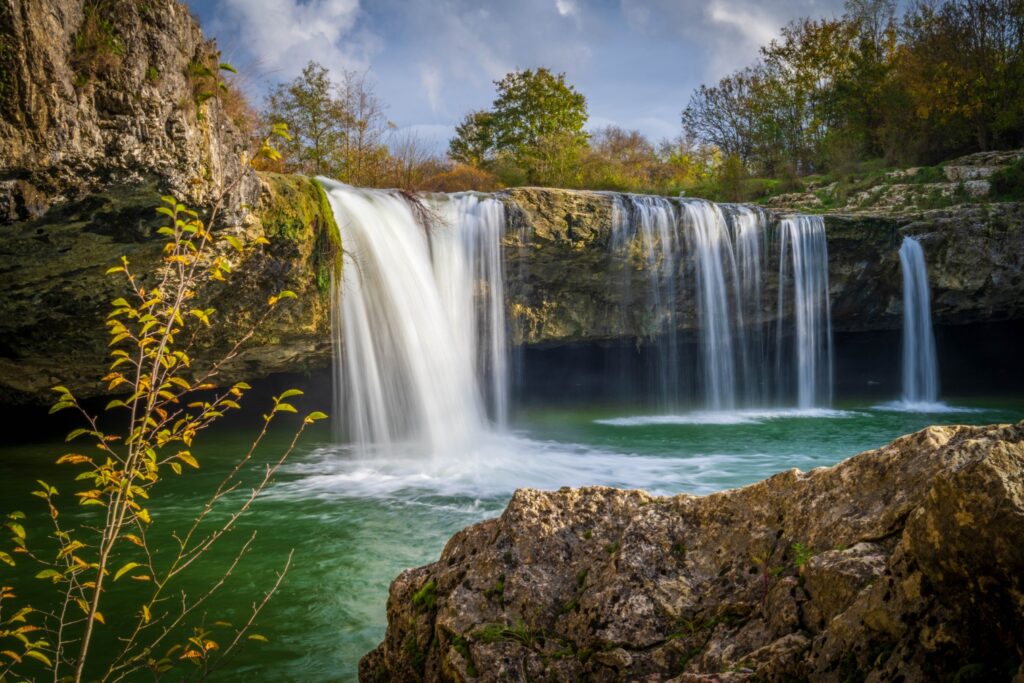
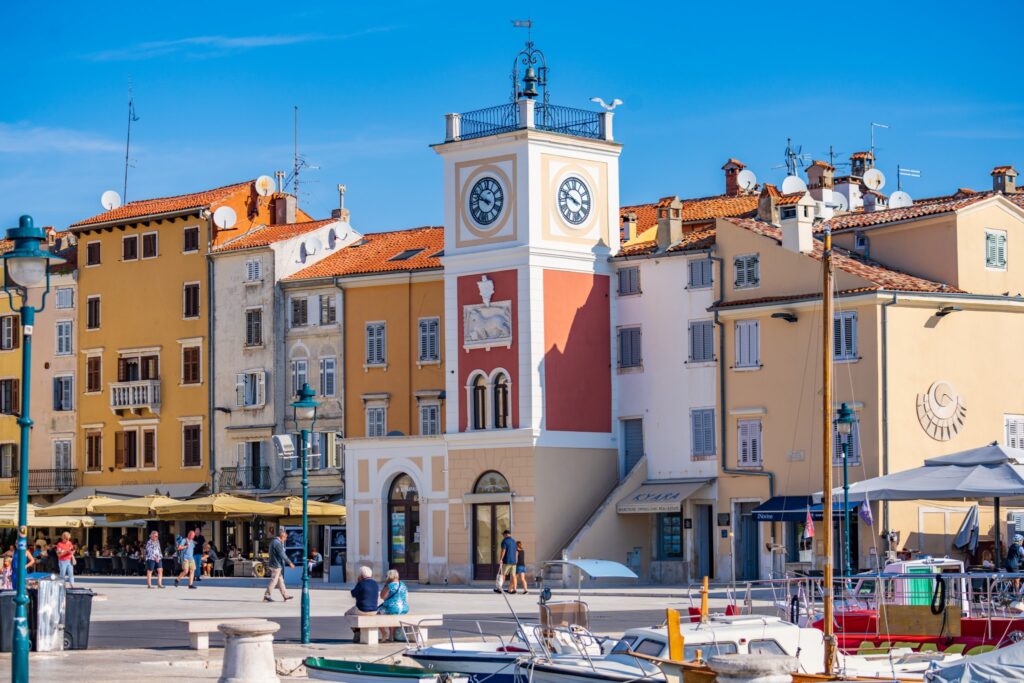
Filming locations in Istria: Pazin, Zarečki krov, Pula, Rovinj
Other locations: Opatija, Rijeka
REVIEW
MAYDAY, directed by Karen Cinorre, 2021
STRONGER IN STYLE THAN CONTENT
Like the sirens of Greek mythology, dressed in scout uniforms, four young women in a stylized feminist fantasy lure invisible soldiers to their deaths with fake calls for help. Writer-director Karen Cinorre's debut film begins with the intrigue of healing as purgatory, inspired by mermaid mythology. It attempts to reinterpret the ancient myth of mermaids as a symbol of dangerous femininity and seductive power, while we soon learn that the gathered women are in some camp for victims of violence. Thematically, this film is promising: a confrontation with trauma, anger and female solidarity through a surreal landscape. The result feels like an empty gesture: more a suggestion of meaning than a realization of it
Premiered at the 2021 Sundance Film Festival, “Mayday” joins the growing number of feminist revenge stories by depicting some form of female rebellion against patriarchy. This is what makes it both exciting and confusing – partly because the system against which the film's premise fights is too deep and complex, and quite powerful, to be demolished with just one cinematic blow, no matter how stylistically precise the film is.
Cinorre, with an exceptional sense of aesthetics and the atmosphere of the film, shows a powerful visual world of excellent set design, already in the dark, bluish opening scene in which Ana sits in a car and listens to warnings of an approaching storm. Ana reluctantly enters the restaurant where she works, where her boyfriend watches helplessly as her boss locks her in a cold storage room. The prologue introduces characters who reappear in a dreamlike parallel world - a stylistic narrative form often used in films that emphasize dreaminess. This form becomes a platform for expressing rebellion or opposition to deeply rooted messages, such as patriarchy. To cross over to that other world, Ana enters the oven in the kitchen, which is a visually striking image under turquoise water, but narratively extremely illogical.
The stormy landscapes, the whispered cries for help, and the silent underwater scenes are very impressive, but in terms of the integrity of the story and characters, the film remains thin. The dialogues are flat, the characters' motivations are not entirely clear, while emotions are more inferred than shown. The script too often focuses on the violence that women suffer, instead of on the women themselves and their character richness. Despite the strong and rich symbolism and feminist background, the film does not develop the character arcs beyond their functions in the allegory. Ana, as the protagonist, remains abstract, with little personality or past to justify her emotional transformation. The transition into this abstract underwater, dreamlike world which Cinorre throws us into is very confusing, and one could even say somewhat repulsive, and probably frustrates a certain number of viewers, due to the absence of narrative logic.
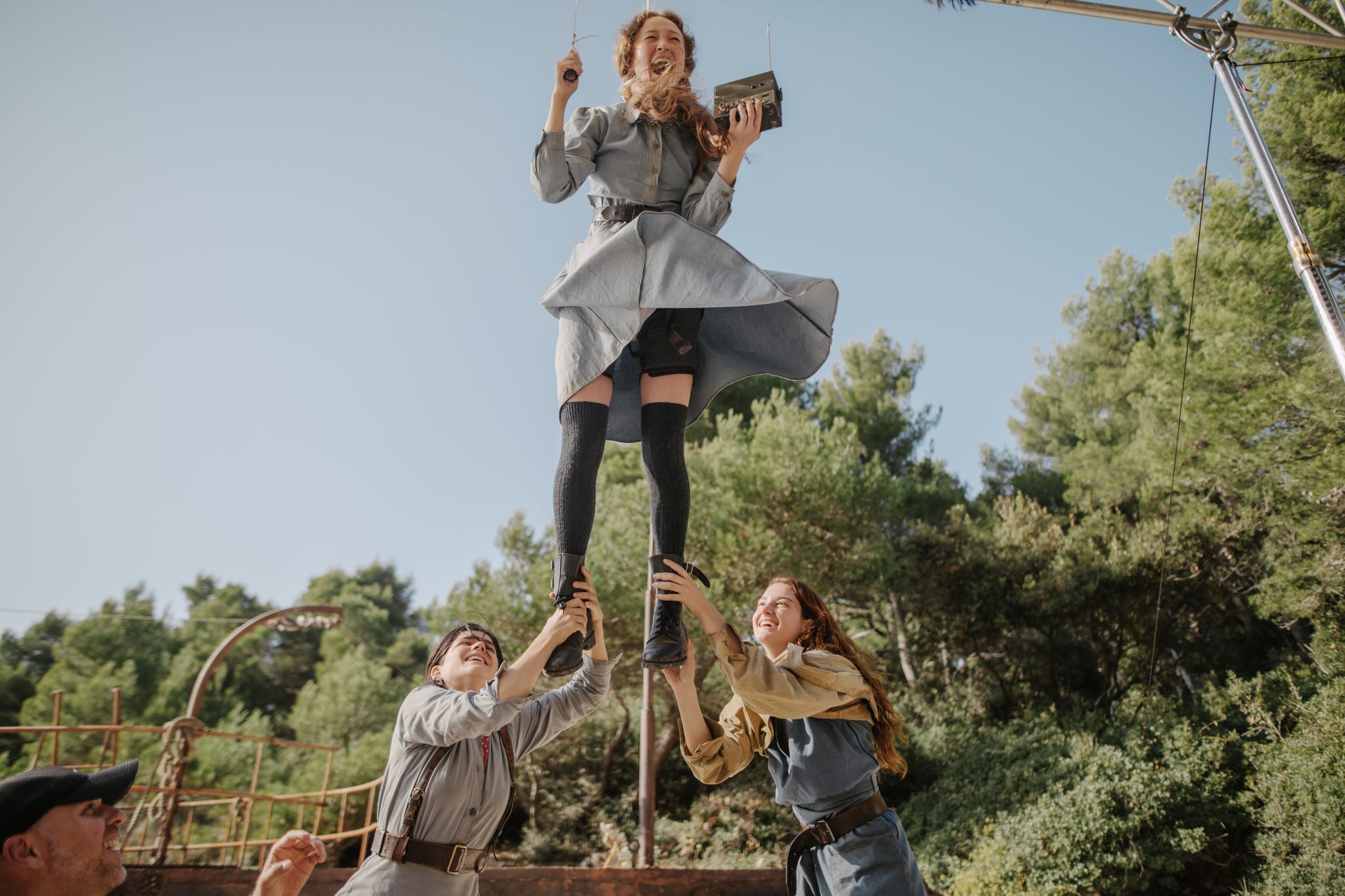
On the island, Ana meets the fighting members of the resistance: the militant Marsha, her cold right-hand woman Gert, the childishly playful Bea and June, with their dual roles, who have settled in a rusty World War II submarine, from where they broadcast mayday messages, luring soldiers to their deaths. Men are unwanted here and are all potential rapists, and the film only shows the female side of the story. The male voices only answer calls, so it is not entirely clear how this system works, because the downfall of men is shown as an underwater ballet, which is visually flawlessly orchestrated, but without any real conflict in the picture.
“You've been at war your whole life, you just didn't know it”, declares the dangerous sniperist, Marsha. Ana's inner dilemmas that oppose Marsha's extreme ideology should represent the emotional core of the film, but due to weak characterization and not enough clear dramatic twist, this intention remains only in the realm of noticeable intention. If this intention had been used more strongly and better, the overall work would have been much stronger and the dramatic tension would have been more pronounced.
Ultimately, Ana must decide – to stay on the island among women who reject the male world or to return with this newfound confidence to reality, where not every man is necessarily the enemy. The film wants to end with a message of empowerment, but the internal logic of that world is not sufficiently elaborated, and the emergence of the message is not sufficiently explained or implemented through the story because the film communicates through aesthetics the entire time. Here, form dominates over content, and symbolism remains without emotional cover. “Mayday” offers a feminist vision of liberation, but forgets to give the body and heart to the women who should achieve this liberation.
Without the tension that could have immensely strengthened this narrative, and thus without a real plot presented by the strength of character, but extremely visually rich and powerful, “Mayday” seems more like a stylized advertising campaign for the spring collection of an avant-garde fashion house than a coherent feminist allegory with an exceptionally strong and important message.